Yes. Chinese manufacturers are using sodium batteries in some low-range cheap city-cars, too. But fundamentally there is less energy storage in a charged sodium atom than a charged lithium atom so it seems sodium batteries must always be bigger and heavier than equivalent-capacity lithium batteries.
But fundamentally there is less energy storage in a charged sodium atom than a charged lithium atom so it seems sodium batteries must always be bigger and heavier than equivalent-capacity lithium batteries.
Well the battery chemistry will always include much more than just the loose charge carrier of Na+ or Li+ or whatever cation floating around. It’s always a suitable cathode material made from other elements, too. Lithium ion batteries in cars today have cathodes mostly of high performance lithium nickel manganese cobalt oxides (NMC) or cheaper/more stable lithium iron phosphate (LFP).
The dominant sodium ion chemistry hitting mass production now uses Prussian Blue Analogues for the cathode (made from a 3d matrix out of sodium, plus a metal like iron/manganese/nickel, plus cyanide made from carbon and nitrogen).
Plus even separately from the raw chemistry of the battery, built in mechanisms for durability or longevity or charge cycles or thermal management or safety or other material properties may change the overall weight of the battery for any particular performance characteristics.
In the end, the performance of the entire battery is what matters, and lithium’s head start in less weight per cation may one day be overcome if the overall materials involved can be lighter in some as-yet commercialized sodium ion chemistry.
That doesn’t stop sodium batteries from being fundamentally bigger and heavier than lithium batteries for the same capacity. That just means the tradeoff can be more worth it in some regions
Not necessarily bad for cars. Some vehicles can use just sodium batteries. Some companies are looking at making battery packs with mixed cell types in different ratios to get a best of both worlds for their use case. Sodium sucks for personal electronics though


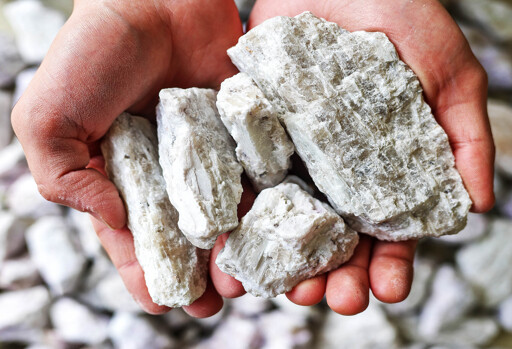
Have you not been paying attention to the development of sodium batteries? They are already surpassing LithIon batteries in energy density and cost.
Cost, yes, energy density, very much no.
So good for grid storage, bad for vehicles?
Yes. Chinese manufacturers are using sodium batteries in some low-range cheap city-cars, too. But fundamentally there is less energy storage in a charged sodium atom than a charged lithium atom so it seems sodium batteries must always be bigger and heavier than equivalent-capacity lithium batteries.
Well the battery chemistry will always include much more than just the loose charge carrier of Na+ or Li+ or whatever cation floating around. It’s always a suitable cathode material made from other elements, too. Lithium ion batteries in cars today have cathodes mostly of high performance lithium nickel manganese cobalt oxides (NMC) or cheaper/more stable lithium iron phosphate (LFP).
The dominant sodium ion chemistry hitting mass production now uses Prussian Blue Analogues for the cathode (made from a 3d matrix out of sodium, plus a metal like iron/manganese/nickel, plus cyanide made from carbon and nitrogen).
Plus even separately from the raw chemistry of the battery, built in mechanisms for durability or longevity or charge cycles or thermal management or safety or other material properties may change the overall weight of the battery for any particular performance characteristics.
In the end, the performance of the entire battery is what matters, and lithium’s head start in less weight per cation may one day be overcome if the overall materials involved can be lighter in some as-yet commercialized sodium ion chemistry.
Not exactly, they work better in cold temps for northern countries.
That doesn’t stop sodium batteries from being fundamentally bigger and heavier than lithium batteries for the same capacity. That just means the tradeoff can be more worth it in some regions
And awful for phones
Not necessarily bad for cars. Some vehicles can use just sodium batteries. Some companies are looking at making battery packs with mixed cell types in different ratios to get a best of both worlds for their use case. Sodium sucks for personal electronics though